Science

How modern life depletes vital minerals

Explore our science backed research on minerals.

01

OUR FORMULATION

These are not claims. We’re providing science-backed research for educational purposes only. Please do not take this as medical advice.

The norm for supplements has been to either consume a poorly formulated multi vitamin pill or consuming multiple separate single supplements throughout the day. The ultimate test to see if your supplements are working or not is to stop taking them and see if you feel any different. Majority put their current routine to the test and discover they have been wasting a ton of money. Below will explain why this may happen and how Optimize Minerals formulation is different from all. At Optimize Minerals we extensively studied the importance of minerals and how to make them easily absorbed and utilized. The reason single separate supplements don’t yield great results is because there’s not a single food, or herb that contains just 1 single ingredient. All God given food sources and nutrients contain multiple compounds like enzymes, amino acids, bioflavanoids, vitamins, minerals, fatty acids, sugars, carbs and more. How could we expect our body to absorb just a single mineral by itself with nothing else? The Optimize Minerals formula contains all essential compounds and combinations to mimic food so our body can fully utilize it.

Magnesium helps promote absorption of other minerals such as calcium, phosphorus, sodium and potassium. It also aids in utilization of the vitamin B complex and Vitamin C & E.

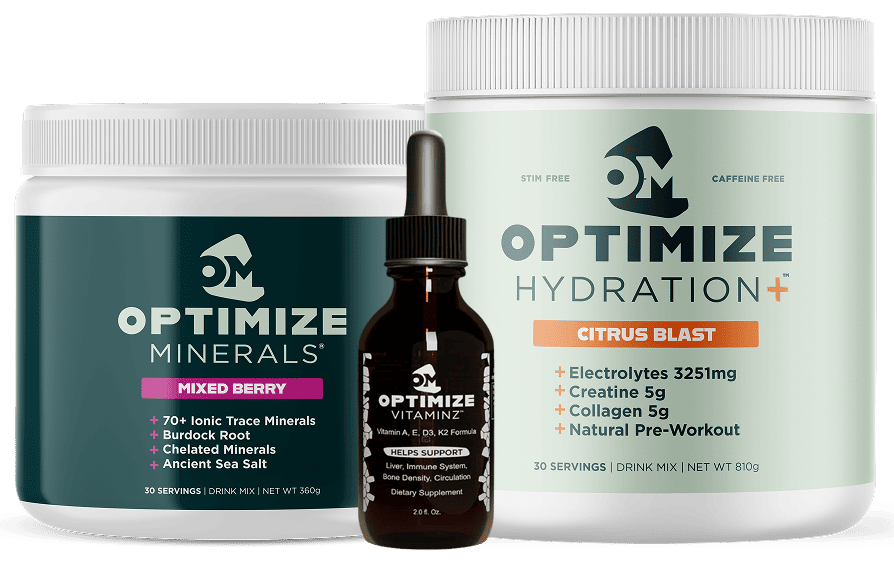
Optimize minerals contains all essential minerals!

Chelated, Ionic, Herbal and natural sources of minerals that we use in Optimize Minerals are absorbed without competition due to the additional compounds, amino acids, enzymes, bioflavanoids and more

In short all Vitamins require minerals to be properly absorbed. All minerals need to be consumed together in the correct ratio and form to be properly absorbed. We know this can get confusing and overwhelming which is why we formulated our products properly so you do not have to worry about it. Supplementing minerals separately and alone can start a chain reaction of other minerals in the body being thrown off balance if not taken correctly.

Due to the absorption rate of liquid/powder supplements, the nutrients you need pack a bigger punch. On average, one powder dose is equivalent to up to 20 capsules.

02

ESSENTIAL MINERALS

Macro minerals

Calcium

Improves bone mineral density and promotes fat breakdown.

Deficiency: osteoporosis, weight gain

Chloride:

Creates stomach acid, fights infections, maintains electrolyte balance

Deficiency: lack of nutrient absorption, illness

Magnesium:

Improves bone mineral density, regulates blood pressure, maintains insulin sensitivity

Deficiency: hypertension, insulin resistance, osteoporosis, atherosclerosis, heart disease

Phosphorus:

Improves bone mineral density, glycolysis, and gluconeogenesis

Deficiency: osteoporosis, anorexia, rickets

Potassium:

Regulates blood pressure, maintains insulin sensitivity, reduces atherosclerotic lesions

Deficiency: hypertension, atherosclerosis, insulin resistance

Sodium:

Regulates blood pressure and electrolyte balance, transports iodine into the thyroid, transports nutrients into the cells

Deficiency: hypotension, insulin resistance, cramping, hypothyroidism

Sulfur:

Promotes antioxidant systems, cholesterol, and vitamin D sulfate, manages inflammation, detoxification, methylation

Deficiency: low glutathione, low protein synthesis, weakened immune system, vascular damage, atherosclerosis, hypercholesterolemia

03

MICRO MINERALS

Chromium:

Enhances insulin action, improves glycemic control, supports lipid metabolism, lowers blood sugar, supports antioxidant defense

Deficiency: insulin resistance, hyperglycemia, hyperlipidemia, hyperinsulinemia, diabetes

Cobalt:

Proper function of Vitamin B12, nerve function, and regeneration, Myelination, and cognition

Deficiency: neuropathy, anemia, muscle wasting, cognitive decline

Copper:

Regulates iron status, improves lipid profile, maintains glycemic control, supports antioxidant defense, aids in energy production, collagen and soft tissue production, thyroid function, immune system function, reproductive system health, kidney health

Deficiency: anemia, cardiovascular disease, atherosclerosis, vascular damage, hyperglycemia, hyperthyroidism, iron overload, collagen damage

Iodine:

Maintains thyroid function, produces thyroid hormones, supports metabolic health, healthy mental development, immune system function, protects against lipid peroxidation

Deficiency: hypothyroidism, hypogonadism, low energy, frailty, osteoporosis, goiter, hypercholesterolemia, obesity

Iron:

Tissue oxygenation, regulates oxidative stress, nitrogen fixation, electron transfer

Deficiency: anemia, fatigue, low energy, infection risk, physical deterioration

Manganese:

Antioxidant defense, Immune health, glycolysis, gluconeogenesis, nitrogen metabolism, removes excess ammonia, bone mineral density

Deficiency: atherosclerosis, endothelial dysfunction, insulin resistance, diabetes, kidney damage, cirrhosis

Molybdenum:

Nitrogen fixation, removes excess sulfites, metabolizes toxins and alcohol, metabolizes purines and sulfur

Deficiency: neurological damage, poor physical development, toxin accumulation

Selenium:

Supports thyroid function, produces thyroid hormones and immune system health, protects against oxidative stress, prevents lipid peroxidation, detoxifies heavy metals

Deficiency: hypothyroidism, weakened immune system, atherosclerosis, oncogenesis, low glutathione, hyperlipidemia

Zinc:

Immune system function, antioxidant defense, calcification of bones, wound healing, produces thyroid hormones, insulin production, glucose metabolism, brain development and plasticity, sex hormone production, melatonin and serotonin production, glutathione synthesis, DNA damage repair

Deficiency: hypothyroidism, hypogonadism, hyperglycemia, atherosclerosis, osteoporosis, mental impairment, weak immune system

Boron:

Brain function, tumor suppression, antioxidant defense, improves vitamin D status, increased testosterone/estrogen, elastase collagen activity, anti-osteoarthritic effects

Deficiency: vitamin D deficiency, osteoarthritis, hypogonadism, inflammation, impaired brain function

Lithium:

Neurotransmitter balance, brain function, similar to insulin, improves glucose metabolism

Deficiency: depression, increased suicide rate, mental impairment, aggression

Nickel:

Regulated glucose metabolism, regulates homocysteine metabolism, supports reproduction and growth

Deficiency: hyperglycemia, hyperhomocysteinemia, impaired growth, infertility

Silicon:

Supports connective tissue, blood vessels, and arteries, reduces plaque formation, and protects against atherosclerosis

Deficiency: atherosclerosis, osteoarthritis, plaque formation, hypertension

Vanadium:

Mimics the effects of insulin, improves glucose metabolism, supports metabolic health

Deficiency: hypothyroidism, depression, fertility and growth issues, hyperglycemia, insulin resistance

04

WHO IS DEFICIENT?

1 of 3 people

Are deficient in at least 10 essential minerals in the US.

More than 65%

of people in the US alone are deficient in multiple vital minerals.

2 billion+ people

Currently lack essential minerals to make their bodies function.

05

WHAT CAUSES MINERAL DEFICIENCY?

There are multiple contributing factors to mineral deficiency in today’s modern world.

Food

  • Ultra-processed foods
  • Nutrient-depleted soil
  • Pesticide and herbicide residue
  • Restrictive or unbalanced diets

Lifestyle

  • Chronic stress and poor sleep
  • Heavy sweating from exercise
  • Caffeine
  • Alcohol and soft drinks

Health

  • Common medications
  • Autoimmune conditions
  • Gut and organ disorders
  • Chronic inflammation

Environment

  • Air pollution
  • Heavy metal exposure
  • Toxins that compete for absorption
  • Demineralised drinking water

Food

Processed Foods

Humans are overfed but undernourished. The average person consumes food with minimal nutritional and mineral content. Consuming these processed foods promotes inflammation, increasing the need for minerals to digest. Instead of the minerals being used for essential bodily functions, they are refocused on dealing with increased oxidative stress. Oxidative stress is an imbalance between free radicals and antioxidants in the body. Over time, oxidative stress does damage to the body, potentially causing diabetes, high blood pressure, heart disease, Parkinson’s and Alzheimer’s disease, cancer, and other complications. In short, the body has to work harder to process and digest these foreign foods, which require more minerals to be drawn out. This is why mineral supplementation is essential for the body in the modern age.

Food

Depleted Soil

You may have heard that minerals and vitamins should be obtained from food; therefore, they aren’t necessary to supplement. I wish that were still the case, but there has been a massive decline in the quality of the food we eat today. Even the perfect diet will deliver only some essential minerals the body needs to function optimally.Today’s food is about 30% less nutritious than in the 1940s. There are more that two billion people in the world who are overweight and 650 million people who are obese. Eating more should not be the solution to gaining essential minerals. Using pesticides and fertilizers on food kills off beneficial bugs, worms, and bacteria in the soil that promote plant mineral content. Chemicals like glyphosate also heavily reduce the mineral content in foods by interfering and forming complexes with them. In the past, we could have gotten everything we needed from food, but the quality of what we eat is so poor it is essential to supplement minerals daily.

Environment

Heavy Metals

Toxic heavy metal buildup (arsenic, aluminum, lead, cadmium, mercury) disrupts mineral absorption. Modern environments expose us to numerous heavy metals, including those from fossil fuels, EMFs, skin care products, shampoos, body wash, deodorant, and petroleum-based medications (antibiotics). Combat this by supplementing with more essential minerals daily and cleaning your house.

The toxicity of heavy metals increases inflammation, which also increases the body’s required mineral intake to compensate for the extra antioxidant enzymes used to fight off the heavy metals. The amount of minerals in the body relates to how well we can fight inflammation and oxidative stress and how quickly damage is repaired. Supplement minerals to give your body a chance against these heavy metals.

Health

Chronic Disease

We are told that chronic diseases are typical and prone to happen, but this has been disproved many times. For example, magnesium deficiency alone can cause heart failure, high blood pressure, sudden cardiac death, kidney stones, coronary heart disease, and more. It has been studied that each chronic disease always refers to a specific mineral deficiency or imbalance, among other factors. There is no such thing as a deficiency in antibiotics; they only mask symptoms, rather than get to the root cause. Minerals run the show in the body.

06

IMPORTANCE OF MINERAL-RICH WATER

Drinking demineralized water (purified water) reduces stomach acid and your power to break down and digest food, possibly resulting in bloating.

Water containing naturally occurring minerals should be a daily staple due to its potential multiple benefits. If you do not have access to pure mountain spring water it is best to consume filtered water with an added pinch of minerals like celtic salt or redmond real salt throughout the day. It improves digestion and gut health by promoting healthy levels of stomach acid. A lack of stomach acid promotes digestion issues, heartburn, a high risk of infection, and reduces the effect of mineral absorption.

Mineral water aids in stool consistency and prevents constipation. If you fast regularly, carbonated mineral water will help minimize hunger while delivering essential minerals. Mineral water will also lower blood pressure and can be used on the skin to improve hydration and dryness (getting a mineral-infused shower filter is highly beneficial).

Proper minerals for recovery and rehydration can also give athletes a competitive advantage. It is crucial to have more than just the essential electrolytes for full benefits. For example, sulfur can protect you from muscle damage and speeds up the recovery time. Having enough sodium in the water is vital if you are active and sweat a lot.

07

WHAT DO MINERALS DO FOR OUR BODY?

Minerals provide energy! Every cell in the body needs minerals. Many people know about mitochondria, the so-called powerhouse of the cell. What people need to know is that minerals are required to function correctly. If you have daily fatigue and weakness, your cells are not functioning at their highest level due to the lack of vitamins and minerals.

Minerals also protect the mitochondria by activating additional antioxidant enzymes to reduce oxidative stress. If the mitochondria are not functioning correctly, it can accelerate aging, reduce ATP production, and damage the cells. Minerals are essential to the mitochondria to create new cells and prevent them from malfunctioning. If the mitochondria are healthy, that will increase the health of your immune system, hormones, sleep, mental health, mood, and more. Minerals the mitochondria need to function at their optimal level are calcium, chromium, copper, iron, magnesium, manganese, and zinc.

MINERALS AND THEIR ROLE IN ENERGY METABOLISM

  • Essential for nerves and muscle function
  • Co Factor in over 600 enzymatic reactions
  • Essential for nerve and muscle function
  • Initiates Fat oxidation
  • Carries ATP with magnesium
  • Structural component of ATP and creatine phosphate
  • A part of energy metabolism and balance
  • Essential cofactor for the last stage of mitochondrial electron transport
  • Involved in iron metabolism and balance
  • Potentiates the actions of insulin and glucose uptake
  • Needed for glycolysis and ATP production
  • Essential part of hemoglobin for oxygen transport
  • Facilitates transfer of electrons in the respiratory chain
  • Necessary for red blood cell function
  • Cofactor of enzymes involved in carbohydrate metabolism and gluconeogenesis
  • Essential for glycolysis and beta-oxidation
  • Part of over 100 enzymes involved in energy metabolism
  • Needed for producing thyroid hormones
  • Needed for glutathione and antioxidant production
  • Affects metabolic rate and energy metabolism

08

ELECTROLYTES AND MINERALS

To avoid electrolyte imbalances, which could be fatal, you need to absorb enough minerals from foods and liquids. Minerals and vitamins work together to maintain optimized function. A lack of sodium, B6, and selenium can lead to magnesium deficiency. Magnesium is essential because it protects against potassium loss and regulates its levels. Be mindful of the ratios of certain products.

09

MINERALS NEEDED FOR BRAIN HEALTH

For your body to naturally produce serotonin and melatonin, you need magnesium, calcium, iron, copper, cobalt, and zinc.

For example, magnesium should be taken to help your sleep because it promotes the natural production of melatonin. Supplementing melatonin will throw your body out of balance.

Dopamine is an important hormone created by magnesium, B6, Iron, B6, Copper, and Vitamin C. These vitamins and minerals are grouped because they work together.

Zinc is an essential mineral that may aid in healthy brain aging and ADHD in children. Be mindful that if zinc is supplemented alone, it will remove copper in the body, exposing you to more bacterial infections. A lack of zinc and too much copper can lead to risk of viral infection.

10

MINERALS NEEDED FOR HEART HEALTH

Magnesium plays an essential role in protecting the body from heart complications. Since magnesium runs the sodium-potassium pump (blood pressure), a deficiency may cause hypertension and an accumulation of calcium and sodium. Supplementation of magnesium has also been found to reduce cardiac arrhythmias.

Potassium controls heartbeat and muscle function and prevents strokes, hypertension, and heart disease. It also allows the body to regulate and utilize sodium levels. You may need more potassium and magnesium if you are sensitive to high sodium levels.

Zinc regulates heart muscle and cardiac function. Low zinc, selenium, and copper levels are related to heart failure. In a recent AREDS study, zinc and copper supplementation reduced mortality by 27%.

11

MINERALS NEEDED FOR GUT HEALTH

Eighty to ninety per cent, with the ten per cent range highlighted

80–90%

Of the body's serotonin is made in the gut, which is why what you eat reaches how you feel.

Selenium protects the gut from free radical damage and stops the inflammatory response. Iron calms inflammation in the gut and aids in producing good bacteria.

12

MINERALS NEEDED FOR LIVER HEALTH

Whether you drink alcohol or not, liver disease is linked to low levels of magnesium, molybdenum, zinc, and selenium — the minerals required for the liver’s detox pathways. Beware of supplementing too much iron because its high oxidative capacity can build up in the body and liver without copper to regulate it.

13

MINERALS NEEDED FOR EYE HEALTH

It is possible that blurry vision is connected to magnesium, selenium, zinc, Vitamin C and Vitamin E deficiency. Additional factors may apply, of course. Glasses or contacts were not around in the early stages of human existence. Just something to think about.

14

COLLAGEN PRODUCTION

Collagen is vital for skin, tendon, ligament, and soft tissue health, and it needs copper to aid in its formation. A zinc deficiency slows down tissue regenerative processes.

15

MINERALS, STRESS AND HORMONES

Chronic stress is dangerous to carry out without resolution and further depletes the body of minerals, especially magnesium.

When magnesium is supplemented, it can alleviate anxiety, depression, and sleep issues. Other minerals involved in anxiety and depression are calcium, sulfur, copper, and lithium.

The body is intelligent and handles stress by producing different hormones and systems of defense. Common hormones are aldosterone, testosterone, cortisol, cortisone, pregnenolone, progesterone, DHEA and more. These hormones regulate metabolism, inflammation, the immune system, injury recovery, body composition, and stress handling.

Copper, selenium, magnesium, and iron are required to make these steroid hormones in the body. This is a much more complex process. Put simply, multiple minerals must be involved for this to work properly. The thyroid and adrenal glands also produce hormones that require iodine, zinc, magnesium, and selenium.

If you are experiencing testosterone issues, it may be related to a zinc and magnesium deficiency.

Selenium is essential for naturally increasing glutathione levels, hormone balance, antioxidant protection, and managing oxidative stress in the body.

Supplementing every essential mineral daily is necessary for the immune system to function properly.

Put it back

100+ minerals.One daily scoop.

Every essential mineral in forms your body can absorb, from natural sources, with every dose printed on the label.